
At Practice Real Estate Group we have helped hundreds of dentists start their first practice, expand to their fourth location, or even sell their business.
To make it even easier, we’ve broken it down the initial pieces into a few easy to follow steps to guide you through the process.
Step 1. Getting Started
Before you tour a space or talk to a lender, build your advisory team. A dental real estate broker, a dental attorney, a dental CPA, and a dental lender — assembled early — will save you time and money at every stage that follows.
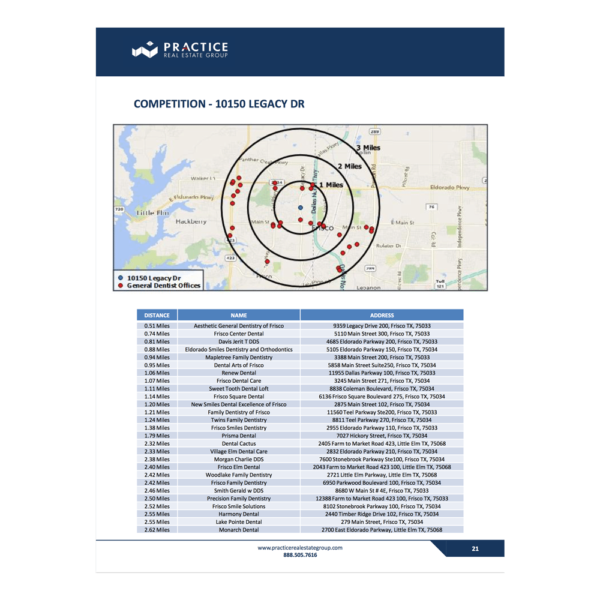
Step 2. Search For Your Location
Location decisions start with demographics, not available space. We have agents across the U.S. who actively track medical and dental inventory in every major market. If you're open to buying an existing practice rather than building from scratch, this is the right time to evaluate both paths.
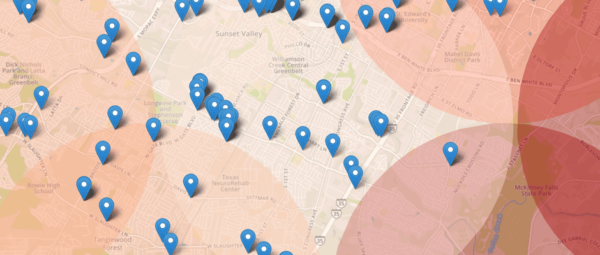
Practice Real Estate Group’s Core Locations
Step 3. Setup Your Entity Structure and Financing
Your lease, your entity structure, and your financing all need to be in place before you can open. Each decision affects the others. Get your attorney, CPA, and lender involved before you commit to anything on paper.

Step 4. Branding
Your practice name and brand identity need to be finalized before you sign a lease — signage rights, exterior branding, and suite identification are all negotiated as part of your lease terms. A name that doesn't translate to your location's signage or demographics creates friction from day one. Lock in your name, register your domain, and have a basic visual identity ready before lease negotiations begin.
The Practice Real Estate Group Team is ready to help you through all the steps of starting or expanding your dental practice.

What Our Clients Say
Max has been an outstanding medical real estate agent—professional, responsive, and genuinely committed to helping me find the right property.…
Dr. Ahmad Ahmida
I had the pleasure of working with Max Burrows during my search for the perfect practice location. He made the whole process truly seamless.…
Sneha Ramolia
Stephanie and Chris were very supportive through the process!
Dr. Mark House
See How We've Helped Practitioners Like You

“This checks every box you can hope to check.”How a first-time franchise owner found her anchor location in suburban Atlanta
How to Start a Dental Practice Starting a new dental practice is a daunting task. It doesn’t have to be. At Practice…
Read the Story →
“I Was Moving Across the Country to Open My First Practice.” How a Dermatologist Secured the Right Building in an Unfamiliar Market in Four Months.
Dr. Harmon found Practice Real Estate Group and connected with agent Jason Guay through an established dermatologist in the same specialty, someone…
Read the Story →
“I Wanted to Be Close to Home. I Ended Up With the Best Lease in the Submarket.” How a First-Time Practice Owner Found Below-Market Rent in a Fast-Growing Corridor
Dr. Calloway had been trying to open her own practice for a while. She'd spent years as a top producer at a…
Read the Story →Starting a Dental Practice
Opening a dental practice is one of the most significant financial decisions a dentist will make. The location you choose, the lease you sign, and the lender you work with will shape your practice's trajectory for the next decade.
Practice Real Estate Group has represented hundreds of dentists through this process, from initial site selection through lease execution. This guide covers the full sequence: building your advisory team, evaluating a market, negotiating your lease, and what to have in place before you open.
Most practices take 12 to 18 months from commitment to first patient. The real estate and financing phases set the timeline. Getting both right from the start shortens it considerably.
Step 1: Build Your Advisory Team
Before you sign anything or spend a dollar, assemble the four people who matter most.
A dental real estate broker. Not a general commercial broker. Dental offices have specific construction requirements, equipment loads, and lease structures that a generalist won't know how to negotiate. A broker who works exclusively with healthcare tenants will know which landlords are provider-friendly, what TI allowances are realistic in your market, and which lease clauses will cost you later. The broker's fee is paid by the landlord, not by you.
A dental attorney. Your lease will be 50+ pages and likely runs 10 years. It needs a specialist. A friend who does residential real estate law is not the right person for this.
A dental CPA. They'll guide your entity structure, tax strategy, and help you understand what your practice needs to produce to hit your financial goals.
A dental lender. Lenders who specialize in healthcare practices understand that a dentist's earning potential is the collateral. They move faster and approve more than general commercial banks.
Step 2: Run Demographics First
The most common mistake we see is choosing a location because it's close to home or a space happened to be available. Demographics should drive the decision.
A dental demographics report tells you population density within your target draw radius, household income, existing competition, dentist-to-population ratios, growth trends, and insurance mix. We run these reports for every client before they tour a single space. It converts "I think this area will work" into data you can underwrite.
Step 3: Find the Right Space
For most startup practices, you're looking at 1,200 to 2,500 square feet (6 to 10 operatories). What matters most:
Plumbing infrastructure. Dental offices require significant plumbing runs. A space with prior dental or medical tenancy can save $50,000 to $100,000 in buildout costs. That savings goes directly into your startup budget.
Visibility and parking. Patients don't seek out dentists the way they seek out specialists. Ground floor, signage rights, and easy parking drive walk-in and referral conversions that a second-floor suite won't generate.
Column spacing and ceiling height. Open floor plans with minimal columns give you flexibility to lay out operatories efficiently. Low ceilings create HVAC and equipment installation problems.
Co-tenancy. Being near a pharmacy, optometrist, or primary care physician generates referrals. We have agents across the country who actively track available medical and dental spaces in every major market.
Step 4: Lease Negotiation
Your lease is the most important document you'll sign. It governs your practice for 10 years or more and directly affects your ability to sell, expand, or exit.
Tenant improvement allowance. Landlords in most markets contribute toward buildout costs. The range runs $30 to $100+ per square foot. How much you get depends on your broker's ability to negotiate and current market conditions.
Personal guarantee limitations. Landlords will ask for a personal guarantee. How long that guarantee runs and whether it can be reduced over time is negotiable.
Assignment rights. When you eventually sell your practice, your buyer needs to assume your lease. Without proper assignment language, a landlord can block the sale or demand a rent increase as a condition of approval.
Renewal options. Lock in renewal options and caps on rent increases at signing. You will have significantly less leverage at renewal than you have today.
Exclusivity. In a retail center, you may be able to negotiate a clause preventing the landlord from leasing to another dentist in the same development.
Our team has negotiated hundreds of dental leases. Our process includes an in-house contracts attorney who works alongside your legal team through the full negotiation.
Step 5: Entity Structure and Financing
Entity structure. Most dentists form either a PLLC or professional corporation (PC). The right choice depends on your state's dental practice act, your tax situation, and whether you plan to bring on partners. Your CPA and attorney should drive this decision together.
Financing. Startup costs for a new dental practice typically run $350,000 to $600,000 depending on location, space size, and equipment. Dental-specific lenders regularly finance 100% of this, including equipment, buildout, working capital, and the first few months of operating expenses. We work with a network of dental lenders and can make introductions based on your market and credit profile.
Step 6: Buildout
Once your lease is signed and financing is secured, construction begins.
Hire a dental-specific contractor. General contractors routinely underbid dental projects because they underestimate the complexity. Dental offices require specialized plumbing (nitrous, suction, air lines), high-voltage electrical circuits, and custom operatory millwork. A contractor who has built dental offices before won't be surprised mid-project.
Design for capacity, not year one. Work backwards from your target patient volume at full capacity, then design to support 20 to 30 percent above your first-year target. Adding operatory capacity after buildout is expensive.
Run technology infrastructure now. Pull fiber, wire for digital X-ray sensors in every operatory, and plan for cone beam CT if you anticipate adding it. Retrofitting after construction is costly and disruptive.
Step 7: Staffing and Launch
Hire your front desk and at least one assistant before you open. Your first 90 days of patient experience will shape your online reviews and referral patterns for years. A smooth front desk operation makes the difference between patients who return and patients who don't.
Before seeing your first patient, confirm:
- State dental license is active and displayed
- DEA registration is in place if prescribing
- NPI number is registered
- PPO credentialing is submitted (allow 90 to 120 days)
- Malpractice insurance is active
- OSHA and HIPAA compliance is in place
- Google Business Profile is claimed and populated with photos
Frequently Asked Questions
How much does it cost to start a dental practice?
Most startup practices require $350,000 to $600,000 in total capital. Dental-specific lenders regularly finance 100% of this for qualified borrowers.
How long does it take to open a dental practice?
Plan for 12 to 18 months from commitment to first patient. The lease negotiation and buildout phases take the longest and are most likely to run over schedule if not managed proactively.
Should I buy an existing practice or start from scratch?
Both are viable. A startup gives you full control over location, design, systems, and culture. An acquisition gives you immediate cash flow and an existing patient base. The right answer depends on your market, capital position, and timeline. We work with clients on both paths.
Do I need a dental real estate broker?
Yes. A broker who works exclusively with dental and medical tenants will negotiate significantly better lease terms than you can on your own. Their fee is paid by the landlord, not by you.
What is the most common mistake dentists make when starting a practice?
Choosing a location before running demographics, and signing a lease without an attorney who specializes in dental leases. Both are avoidable and both are expensive to fix after the fact.
Ready to get started? Fill out the form below and a PRG advisor will be in touch within one business day.
Talk to Our Team
Fill out the form below and a PRG advisor will be in touch within one business day.